Use case · Finance
AI agents for accounts payable
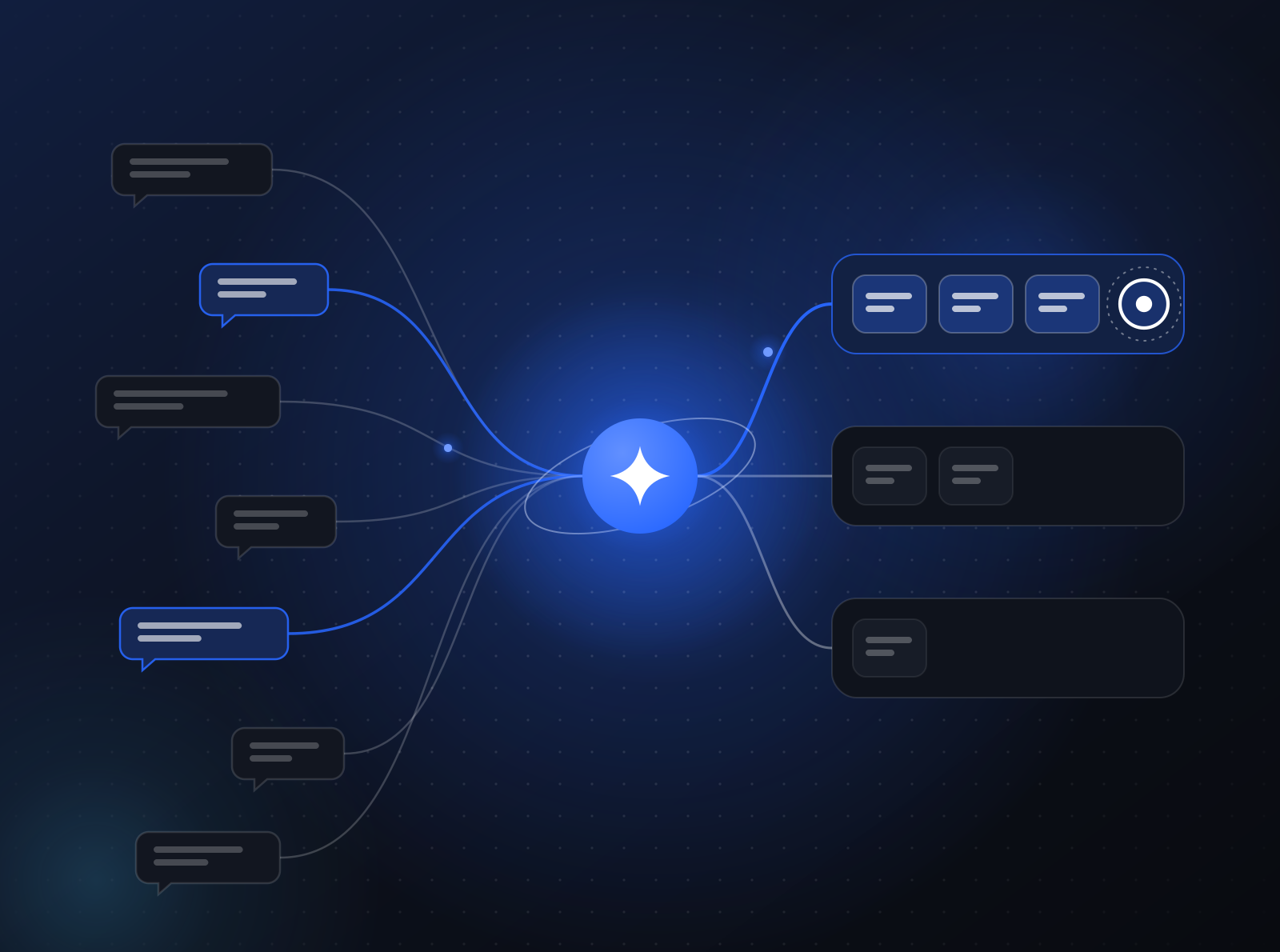
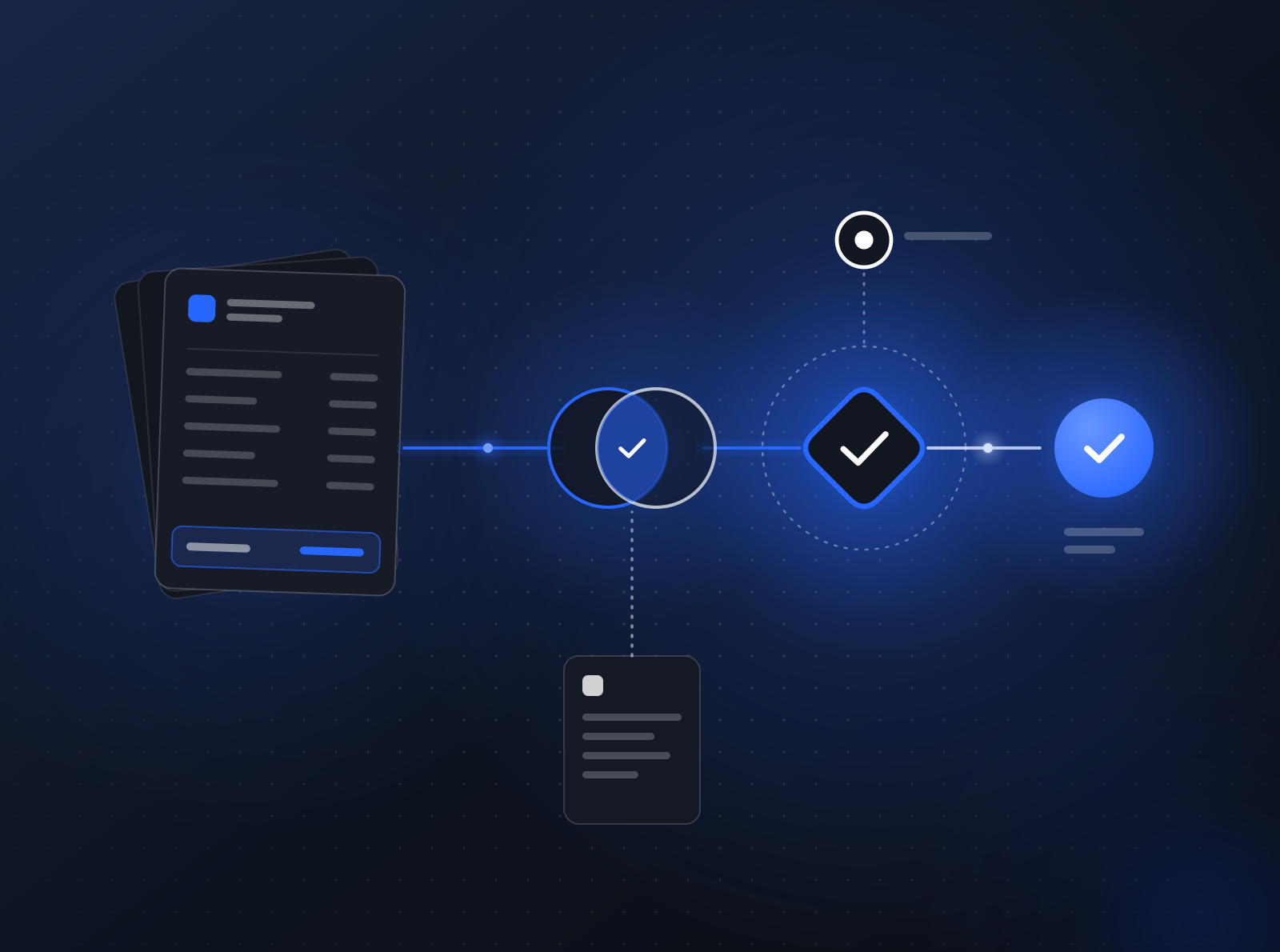
AI agents for accounts payable take the reading and matching out of AP. Agentifiers builds supervised agents that extract invoice data from your AP inbox, run two- or three-way matches against purchase orders and receiving records, route exceptions to the right owner, and prepare payment runs. Nothing is released until a named approver signs off.
The workflow today
Invoices arrive by email as PDFs, scans, and the occasional photo. Someone opens each one, types the vendor, amounts, and line items into the accounting system, then hunts for the purchase order and the receiving record. Mismatches go into a spreadsheet and a chain of follow-up emails. At month end the team works late to clear the backlog.
In a small business this is often one person who also does payroll and collections. In an enterprise it is a shared-services team working a queue across entities and currencies. The shape of the work is the same: lots of reading, lots of matching, and a few real decisions buried in the pile.
The agentified workflow
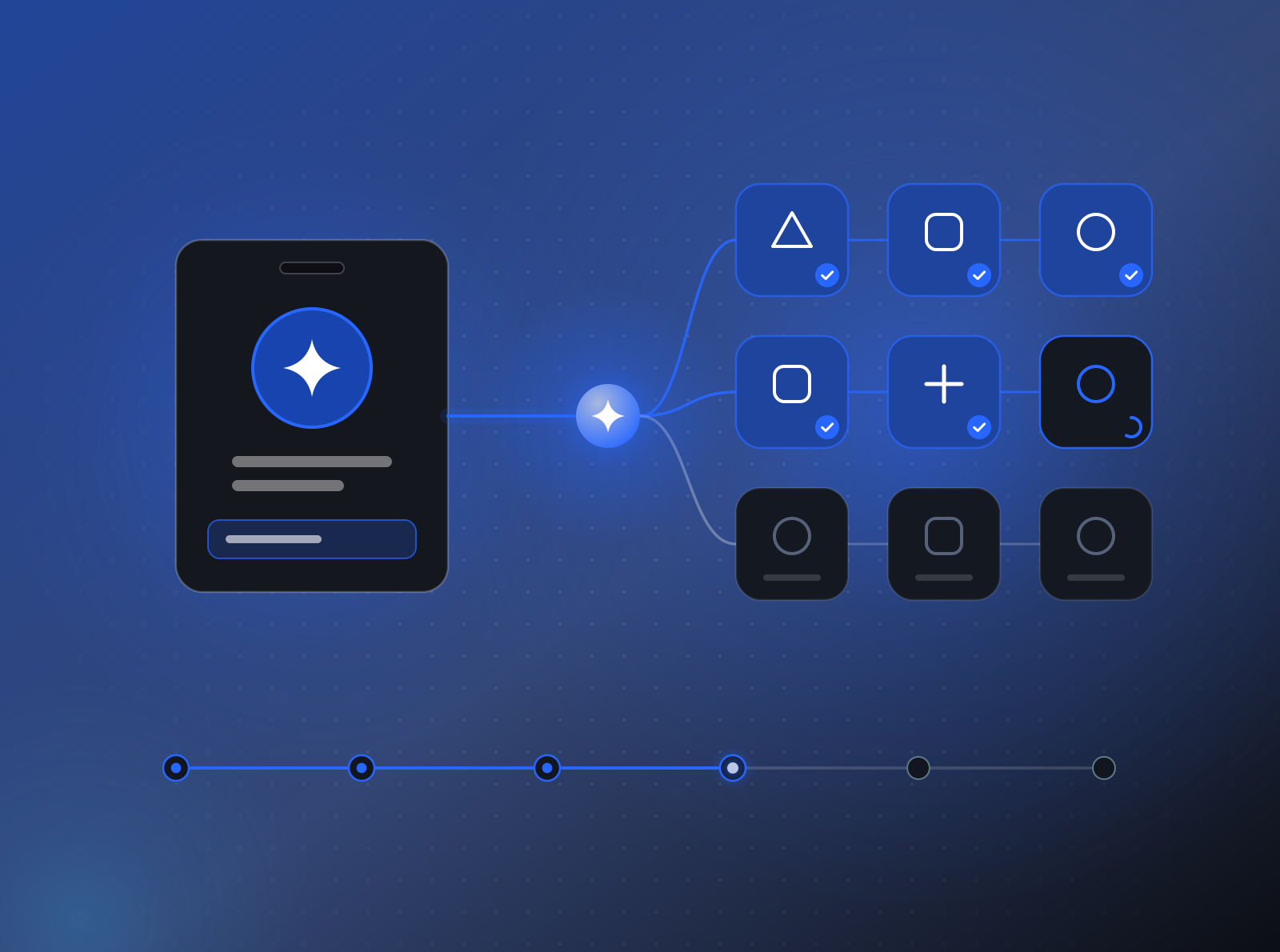
- Intake agent. Watches the AP inbox, pulls out each invoice, and extracts vendor, invoice number, dates, totals, tax, and line items. Duplicates and unreadable documents are flagged rather than guessed at.
- Matching agent. Looks up the purchase order and receiving records in your ERP and runs a two- or three-way match against the tolerances you set. Clean matches are coded to the right accounts and cost centers.
- Exceptions agent. For anything that does not match, it drafts a clear summary of what is off and why, and routes it to the right owner in Slack or email. It can draft the vendor follow-up for a person to send.
- Payment prep agent. Assembles the proposed payment run, groups it by due date and terms, and posts it for approval. Nothing is released until a named approver signs off.
Guardrails
- Changes to vendor bank details always stop for human review. The agent cannot approve them.
- Posting to the ledger and releasing payments are tools that require approval before they run. Here is why approval lives on the tool.
- Every run is traced, so you can see what the agent read, what it decided, and which rule applied.
- Agents run in your AWS account and call only the model providers you approve.
- New versions are evaluated against your past invoices before they are promoted to production.
Where it goes next
Once AP runs cleanly, the same pieces extend naturally: vendor statement reconciliation, expense report review, and month-end accrual drafts. Each one is added as a new versioned agent, evaluated, and rolled out with the same approval points your controller already trusts.
The agents run on the same source-available agent platform as every other workflow, so the second process builds on the first. See how an internal agents engagement runs and how pricing works.
How to start
We agentify one workflow at a time as an internal agents engagement, in an AWS account in your AWS Organization. See how engagements run, or tell us about your process. Small business without an AWS account? We can set it up and run it for you.
Related reading:What it actually means to agentify a workflow